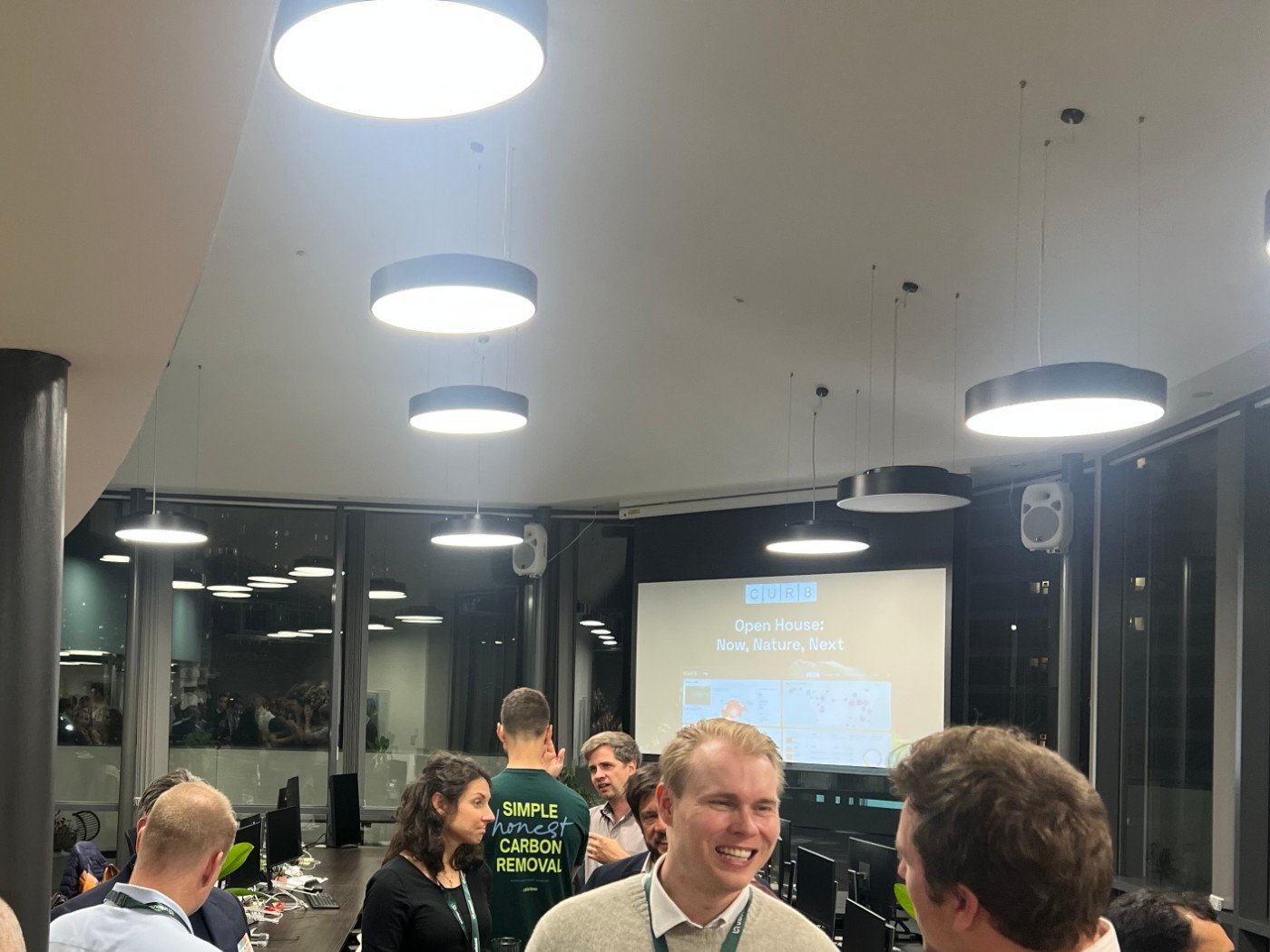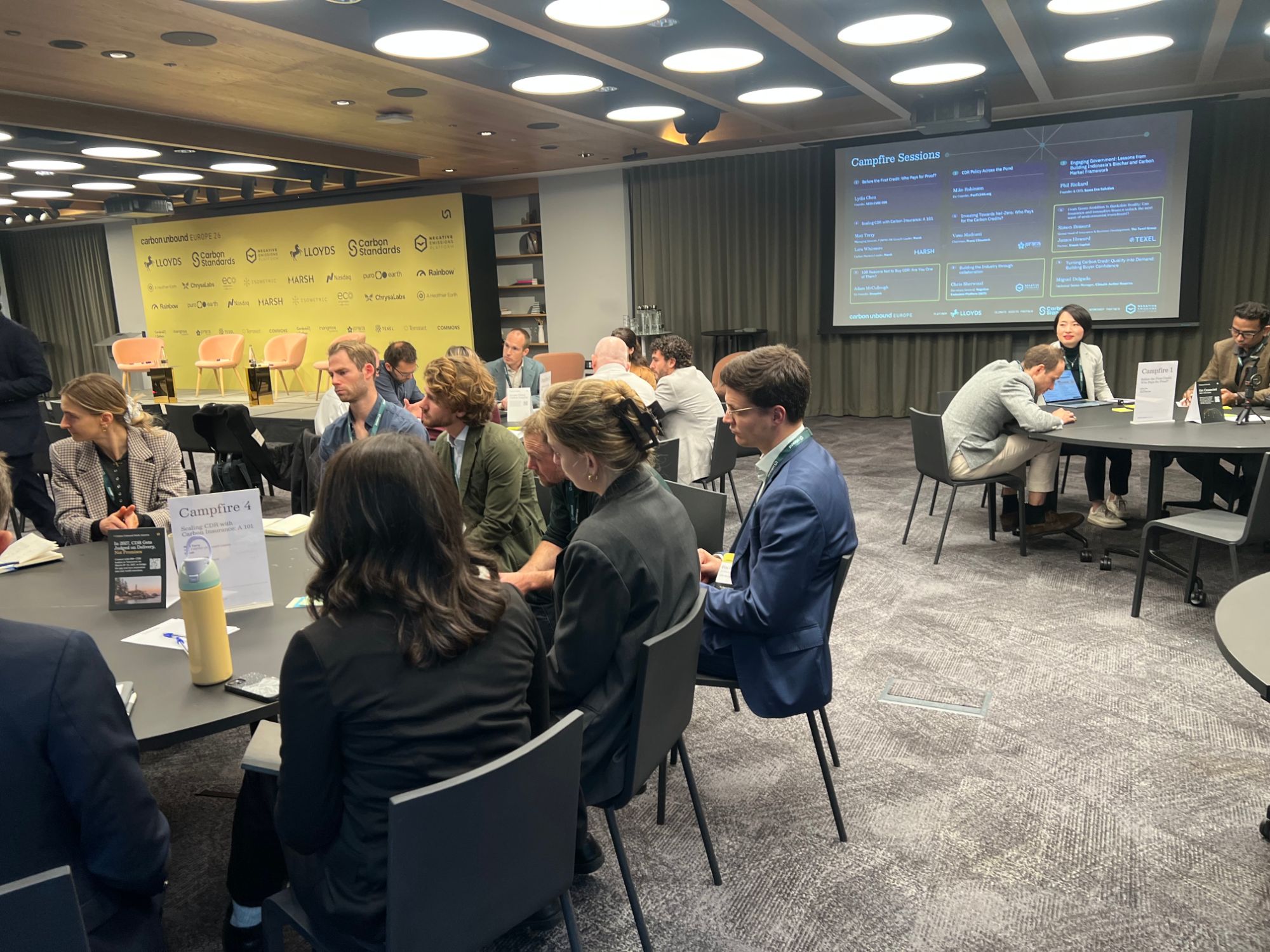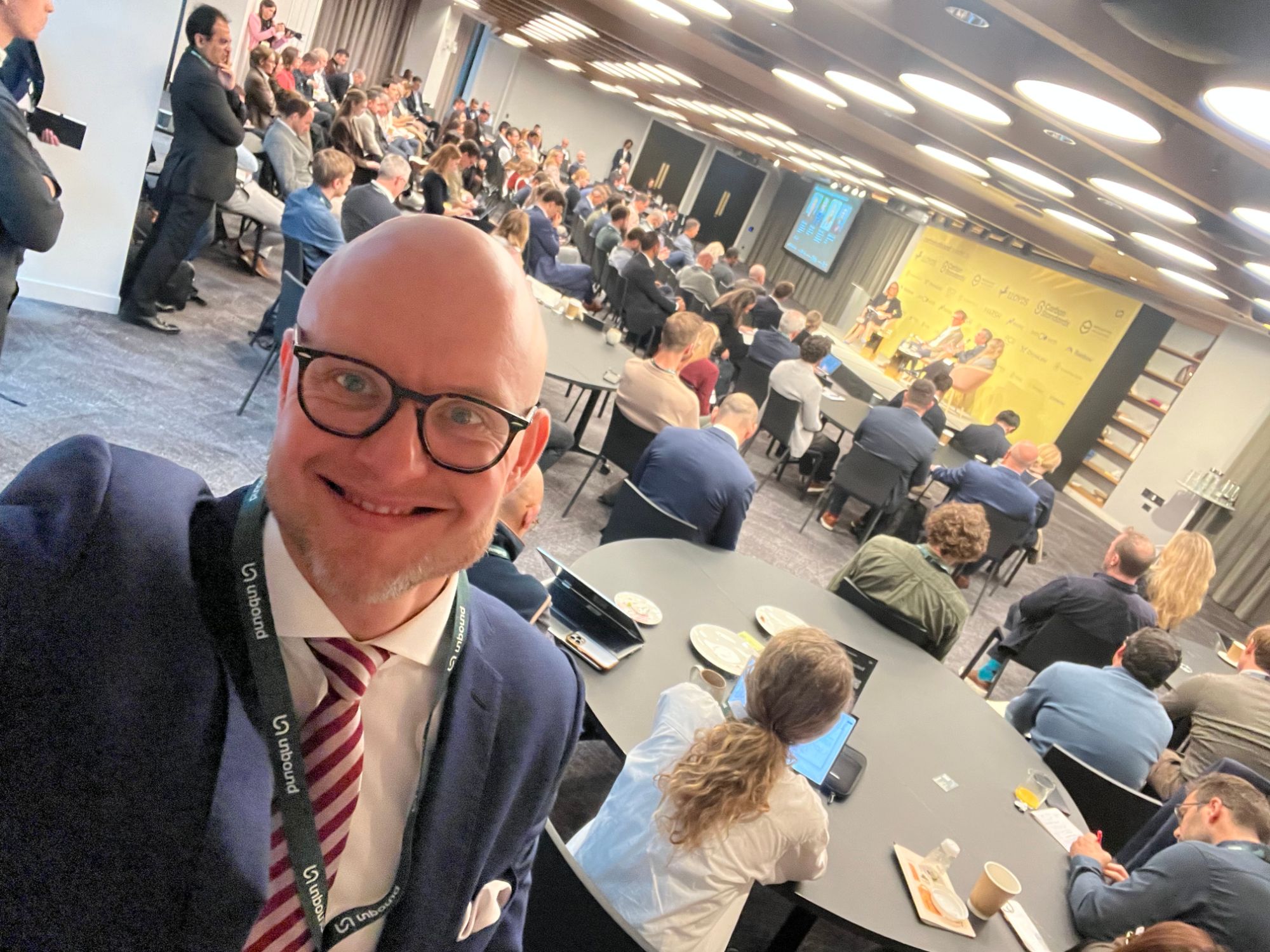
Last week, Carbon Centric attended Carbon Unbound Europe 2026 in London, one of Europe's most important meeting places for carbon dioxide removal (CDR). Over two days, buyers, project developers, investors, insurers and public entities from around the world met to discuss how the market for carbon removal can be scaled.
It is our learning that buyers have changed the questions they ask. In the early years, many CDR purchases were about demonstrating intent and establishing quality requirements. Now the focus is increasingly on credibility and whether projects can actually deliver, on time and at the right scale.
The CRCF received a lot of attention. Several discussions focused on how the EU's certification framework for carbon removals, and a possible link between permanent removals and the EU Emissions Trading System, could create demand alongside the voluntary market. The EU's proposal to purchase up to 250 million CRCF certificates between 2031 and 2040, while simultaneously increasing the number of EUA allowances with the same number, could generate substantial demand for carbon removal. Voluntary buyers would then be competing with the EU for access to good projects. Many questions remain, including how many tonnes the EU will ultimately buy and how the purchases will be distributed over time. Nevertheless, the Nordics were highlighted as a region that got off to an early start and has already established a complete value chain for carbon removal.
In our meetings with buyers, we repeatedly heard that it matters to them that we have already built and that we operate a full-scale capture plant. Our facility in Rakkestad has been capturing CO₂ from waste incineration since September 2025. The expertise and operational experience gained there are directly transferable to our projects for capture and permanent storage. For buyers choosing a supplier, it is valuable that the capability is documented, not merely described.
Many were also interested in how our portfolio is structured. We develop concrete, technically mature projects of various sizes. This creates two clear opportunities:
- Additionality in practice. Even smaller purchase volumes can help new projects reach a final investment decision (FID), and thus contribute to new capacity that would otherwise not have been built.
- Relevant scale. Collectively, the portfolio can deliver volumes large enough to meet the needs of the largest buyers in the voluntary market, while also offering volumes to smaller buyers.
We return home from London with optimism and inspiration, but also with respect for the work that remains. The market is showing exciting signals, yet we also see a need for action now. If there is to be sufficient supply in the market when the need for carbon removal grows in a few years' time, capacity must be established now. And project developers need predictable policies and long-term agreements that trigger new investment decisions and increased capture capacity.