Predictable and stable policies are key to scaling CCS and carbon removal
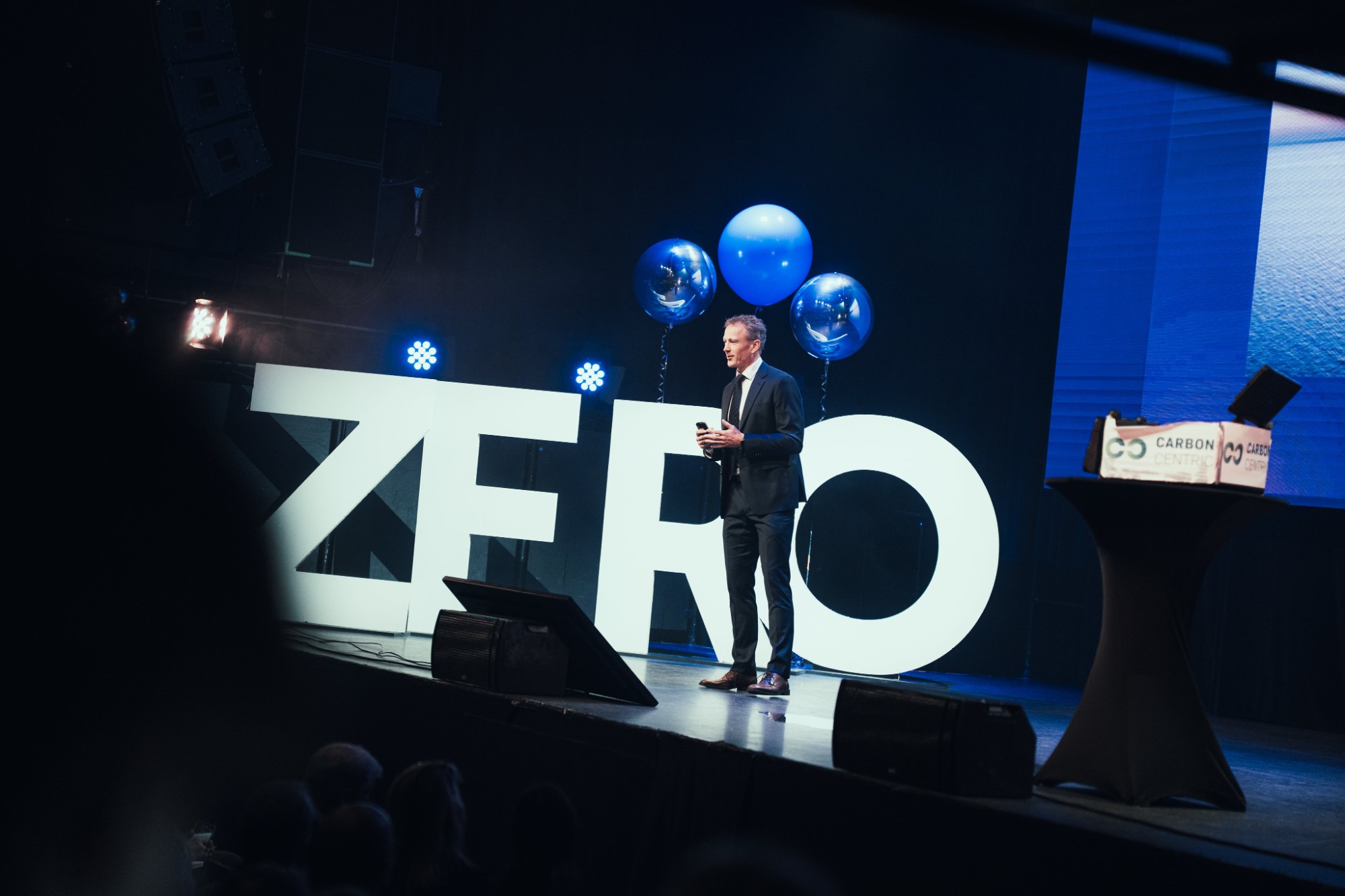
This week Carbon Centric attended the Zero Conference, an annual conference held in Oslo and organised by the environmental foundation ZERO. It brings together NGOs, business leaders, academics, civil servants and politicians to discuss climate action and policy.
Top photo: Kevin Dahlman, Miljøstiftelsen ZERO
The pulse from the Zero Conference 2026
CCS was far from a side topic this year. It was a recurring theme throughout the day, from the opening session to the final panels.
The day opened with dry ice on stage, made from CO₂ captured at our own facility in Rakkestad: a small but tangible reminder that carbon capture is no longer just a concept on a slide, but an industry taking shape. Prime Minister Jonas Gahr Støre then set the tone, and several panels returned to the same question: How do we get from pilots and one-off projects to scale?
The signals from the demand side were equally striking. Three well-known Norwegian companies, TINE, Norsk Hydro and Avinor, presented their climate ambitions and their targets under the Science Based Targets initiative (SBTi). This matters a great deal for carbon removal. According to figures shown at the conference, more than 170 companies in Norway have committed to SBTi targets, and many of them will soon need permanent carbon removal to honour those commitments.
The keynotes by Kikki Kleiven and Jan Rosenow offered grounds for optimism, tempered by some concern: the transition to net zero is moving too slowly, but the window for action has not yet closed. Moving from fossil fuels to renewables also means using energy far more efficiently, since much of today's fossil energy is simply wasted in inefficient machinery.
It was sobering to hear Ståle K. Johansen of Aker describe how the company has had to lay off several hundred employees at its Verdal yard for lack of orders. Aker had invested heavily in new equipment and geared up for an offshore wind build-out that has yet to materialise.
On a brighter note, it was inspiring to watch the presentation of the Norwegian Business Climate Award (Næringslivets Klimapris). This year's winners, Berge Rederi and OMYA Hustadmarmor, were recognised for the bulk carrier BRF Froan, fitted with batteries and two 24-metre rotor sails. It is a good example of companies leading the way with new, climate-smart solutions, and succeeding with the help of Enova (and the NOx Fund).
Predictability does not come from a budget dropped in October
For Carbon Centric, two topics stood out: a rights-based reverse CO₂ tax (for carbon removal) and Enova's support programmes for CCS. We were therefore pleased that our CCO and co-founder, Kenneth Juul, was invited onto Stage 2 to discuss both alongside Thomas Tveit Ulstein and Martine Mørk from ZERO, State Secretary at the Ministry of Climate and Environment Astrid Willa Eide Hoem (Labour), Danny Broberg from Frontier and Ellen Viseth from Teknisk Ukeblad.

Illustration: Miljøstiftelsen ZERO
The backdrop is that the Government has announced it will no longer pursue a rights-based reverse CO₂ tax, a mechanism that would have given bio-CCS projects highly predictable revenues. With that work shelved, one might have expected direct funding for Enova to rise instead. Yet in its proposed budget for 2027 the Government plans to cut Enova's funding to around NOK 4.1 billion, of which NOK 3 billion goes to the Climate and Energy Fund, down from NOK 6.6 billion in 2026. At the same time, it wants a safety valve in case Norway misses its climate targets, and is therefore seeking authority to sign agreements worth NOK 26.1 billion to purchase emission reductions from other countries under Article 6 of the Paris Agreement (so-called ITMOs, internationally transferred mitigation outcomes).
Danny Broberg of Frontier said Frontier welcomes Enova's proposed CCS support scheme, has high hopes for a reverse tax, and urged the Government to keep working on this kind of rights-based support. Frontier has committed nearly USD 2 billion to buying and investing in carbon removal in the voluntary market, but wants to buy from projects backed by sound, stable policy frameworks.
In the panel with the State Secretary, Kenneth's core message was this: Enova is essential to building a CCUS industry in Norway. Its funding should be strengthened, not cut as proposed. Just as important, Enova needs the mandate to run long-term, predictable support programmes so that investors and developers can plan over a long horizon. Because Enova de-risks projects, it is only natural that a portion of committed funds sits in the Climate and Energy Fund awaiting disbursement. That should not be used as an argument for cutting its budget. Today, investors and buyers face heightened risk every time the framework shifts abruptly in the annual budget negotiations in the Norwegian Parliament.
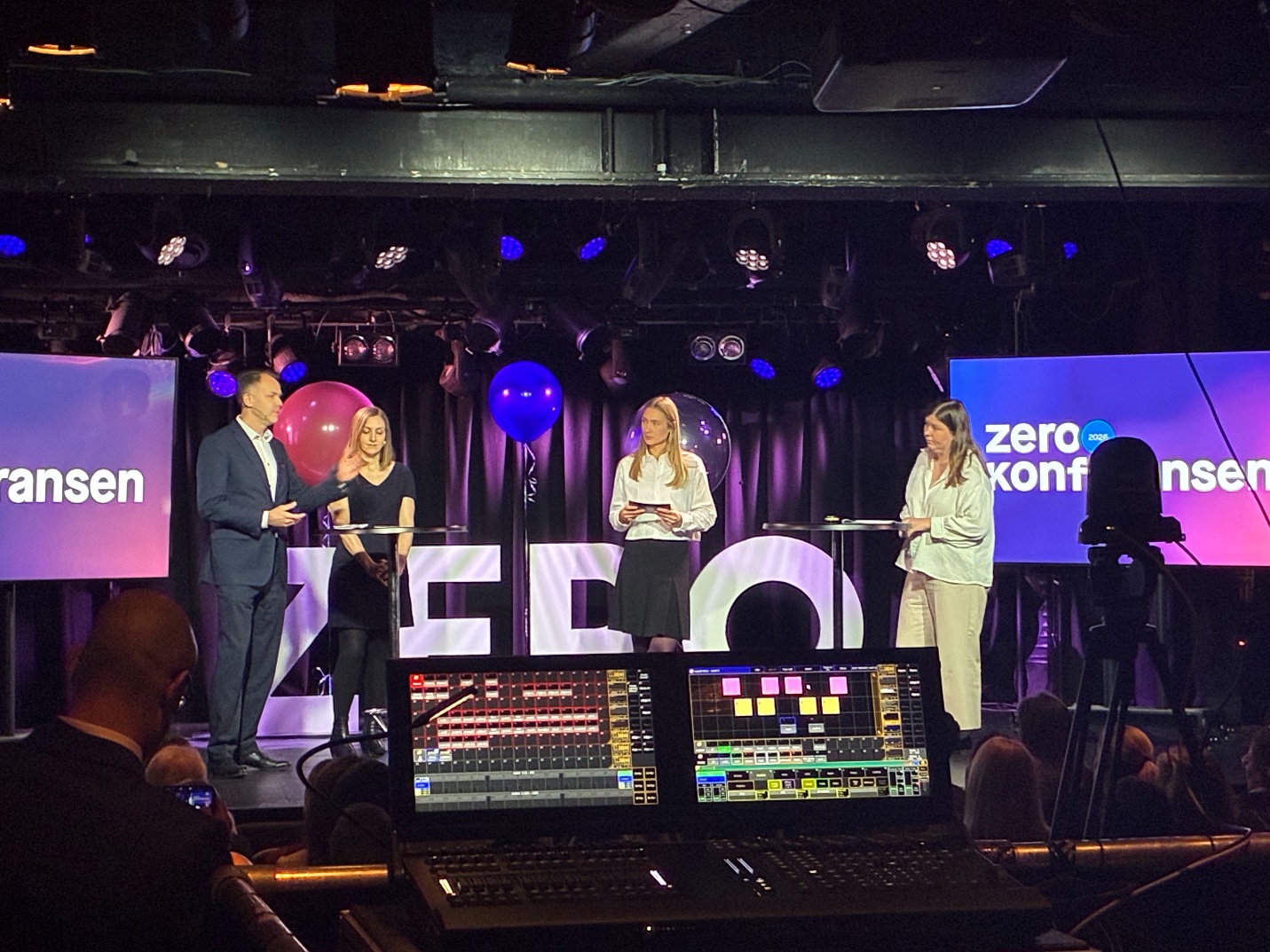
Photo: Carbon Centric
Article 6 abroad, or building industry at home?
The signal this budget sends should not be underestimated. When the Government sets aside six times more for international emission reductions (ITMOs) than it allocates to Enova, it is hard not to read it as a statement of intent: Norway plans to buy its way out of part of its climate commitments rather than make lasting changes that cut emissions at home. Had even a share of that budget gone to Enova instead, Norway could have had the best of both worlds: building a new domestic CCS industry and supporting countries abroad, while still meeting its climate targets over time. Cooperation under Article 6 of the Paris Agreement has an important role to play, and Carbon Centric supports that work. But we hope the Norwegian Parliament will rebalance domestic and international spending in the budget negotiations.
A final call to action
There was plenty of time to mingle at the Zero Conference, and one point came up again and again in our conversations: Norwegian businesses cannot sit back and expect the Government and international players such as Frontier to solve the climate challenge for them. There are still too few Norwegian buyers of carbon removal, and anyone who wants secure access in the 2030s needs a purchasing strategy now.
The Zero Conference 2026 showed that CCS and carbon removal have moved to the heart of Norwegian climate policy. Now the policy framework needs to catch up: long-term, predictable and geared towards building capacity at home.
Our thanks to ZERO for an inspiring day, and to everyone who joined the conversation.